Essential Guide to Forex Trading Education
The world of forex trading can be fascinating yet daunting for many newcomers. To navigate this complex market successfully, education is paramount. Understanding the basics, mastering trading strategies, and utilizing the right tools can significantly enhance your trading experience. Whether you are a novice looking to understand the fundamentals or a seasoned trader aiming to refine your skills, forex trading education exglobal.pk offers valuable resources and insights to help you on your trading journey.
What is Forex Trading?
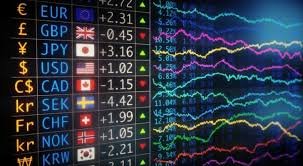
Forex, or foreign exchange, is the largest financial market in the world, with trillions of dollars exchanged daily. Traders buy and sell currencies with the aim of profiting from changes in exchange rates. Unlike stock markets, forex operates 24 hours a day, five days a week, allowing traders to engage in speculation, investments, and hedging strategies around the clock.
The Importance of Education in Forex Trading
Forex trading is not just about placing trades and hoping for profit. Proper education equips traders with the necessary knowledge and skills to make informed decisions. Here are several reasons why education is crucial in forex trading:
- Understanding Market Mechanics: Learning how the forex market operates, including currency pairs and trading platforms, is essential for making effective trades.
- Strategy Development: Education provides insights into various trading strategies such as day trading, swing trading, and scalping, helping traders identify the best approach for their style.
- Risk Management: Effective trading involves recognizing potential risks and knowing how to manage them. Advanced education covers risk assessment techniques and how to set stop-loss and take-profit orders.
- Psychological Preparedness: Trading can be emotionally taxing. Understanding the psychological aspects of trading helps in developing discipline and avoiding impulsive decisions.
Key Components of Forex Trading Education
When embarking on your education journey in forex trading, various components should be considered:
1. Learning the Basics
Before jumping into trading, familiarize yourself with the basics. This includes understanding key terms such as pips, lots, leverage, and margin. Many online resources and educational platforms offer courses and tutorials that cover these fundamental concepts.
2. Studying Technical Analysis
Technical analysis involves evaluating currency price movements through charts and various indicators. Learning how to read and interpret charts is an essential skill for forex traders. Techniques such as trend analysis, support and resistance levels, and the use of technical indicators (e.g., moving averages, RSI, MACD) should be mastered.
3. Exploring Fundamental Analysis
Fundamental analysis focuses on economic indicators, news events, and political factors that can influence currency values. Understanding the impact of interest rates, GDP, employment reports, and geopolitical events on forex markets allows traders to make informed predictions about currency movements.
4. Practicing with a Demo Account
A demo account is a valuable tool for new traders. It allows you to practice trading without risking real money. This hands-on experience helps in applying the knowledge gained through education and developing trading strategies in a risk-free environment.
5. Keeping Up with Market Trends
The forex market is continually evolving, and staying informed about current trends is critical. Following reputable financial news sources, joining trading forums, and participating in webinars can provide ongoing education and insights into market developments.
Types of Trading Strategies
There are numerous trading strategies in forex that traders can adopt based on their goals, risk tolerance, and time commitment. Here are some of the most common:
1. Scalping
This strategy involves making numerous trades over short periods, capitalizing on small price movements. Scalpers often open and close multiple positions within minutes or seconds.
2. Day Trading
Day traders open and close their positions within the same trading day to avoid overnight risk. This strategy requires keen market analysis and quick decision-making skills.
3. Swing Trading
Swing traders hold onto their positions for several days or weeks, aiming to profit from short- to medium-term market fluctuations. This strategy is ideal for those who cannot watch the markets constantly.
4. Position Trading
Position traders take a long-term approach, holding onto positions for weeks, months, or even years. This strategy typically relies on fundamental analysis and is suited to those seeking a passive investment style.
Utilizing Trading Tools
Modern forex trading is enhanced by various tools and platforms. Here are some useful tools for traders:
- Trading Platforms: Platforms like MetaTrader 4/5 provide advanced charting tools, trading signals, and access to a wide range of currency pairs.
- Economic Calendars: These calendars outline upcoming economic events and indicators that can impact currency markets, allowing traders to prepare in advance.
- Trading Signals: Signal services can provide buy/sell recommendations based on extensive market analysis.
- Algorithmic Trading: Automated trading systems can execute trades based on predefined criteria, taking psychology out of the equation.
Continued Education and Resources
The journey of learning in forex trading never truly ends. As market dynamics change, so too must traders adapt and evolve. There are ample resources available for continued education:
- Online Courses: Many platforms offer comprehensive courses covering advanced topics in trading.
- Webinars and Seminars: Participating in live sessions can provide real-time insights from experienced traders and analysts.
- Trading Communities: Engaging with other traders can foster learning through shared experiences, strategies, and tips.
Conclusion
Forex trading education is a fundamental aspect of developing as a trader. By investing time into learning the intricacies of the market, strategies, risk management, and utilizing the right tools, traders can improve their chances of success. Remember, becoming a proficient trader takes time, patience, and ongoing education. Make use of available resources such as exglobal.pk to enhance your understanding and confidence in forex trading.